

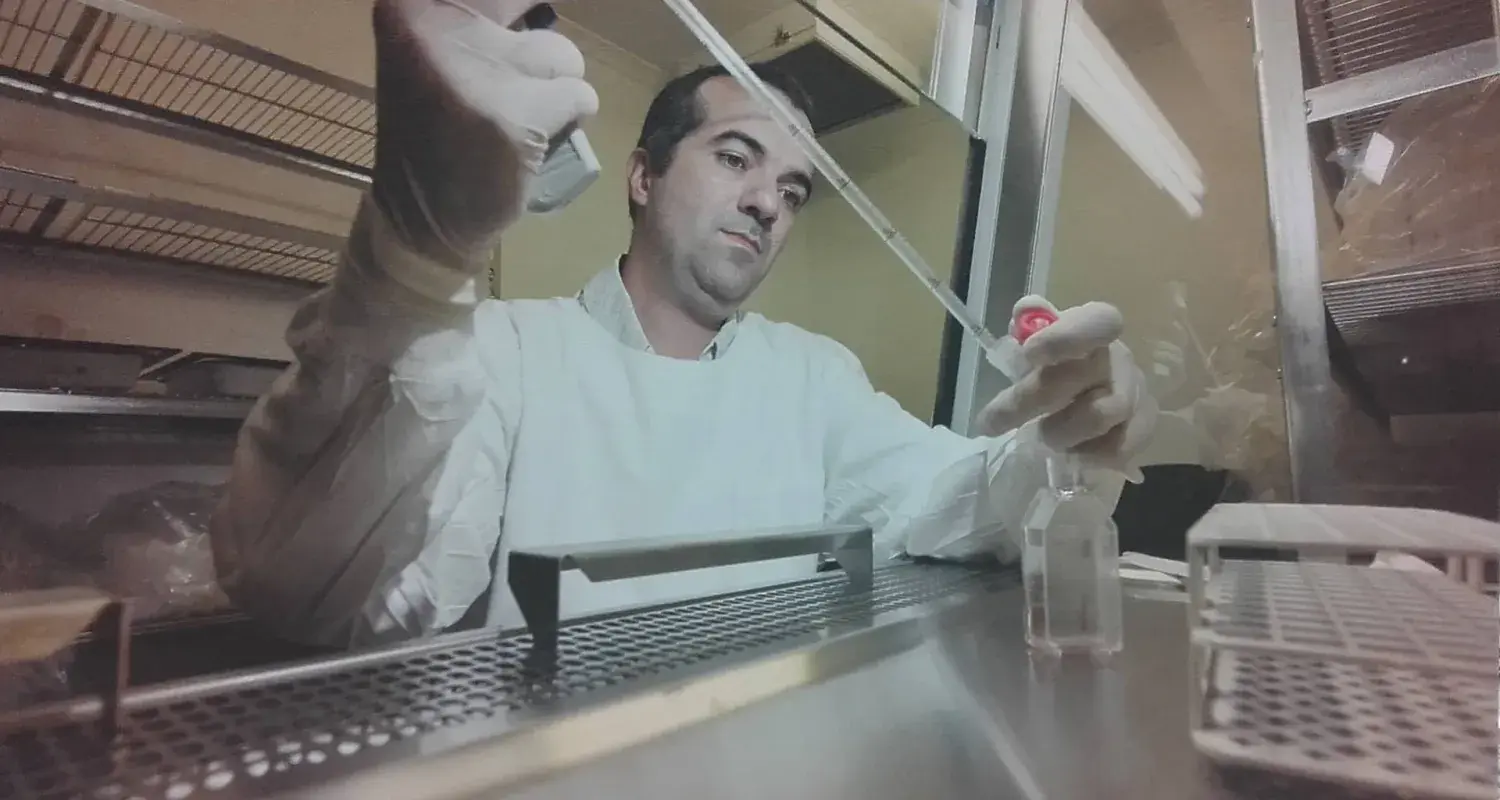
Earlier this year, Wolbito do Brasil, the world’s largest biofactory breeding Aedes aegypti mosquitoes with Wolbachia, began production. It marked a major new milestone in Brazil’s fight against mosquito-borne diseases, helping dramatically expand access across the country to Wolbachia mosquitoes, a nature-based disease control method.
One scientist who has been pivotal to the success of this programme is Luciano Moreira, who not only co-discovered Wolbachia’s ability to significantly reduce disease transmission in Aedes aegypti mosquitoes, but also first introduced the project to Fiocruz in 2012.
The CEO of Wolbito do Brasil, who this week was announced as one of Nature’s 10 people “who mattered in science in 2025,” speaks about the opportunities and challenges of fighting mosquito-borne diseases in the country with the highest dengue burden in the world. This interview is edited for clarity below.
Can you introduce yourself and your role?
I’m Luciano Moreira, the CEO of Wolbito do Brasil, and I used to be a public health researcher for Fiocruz. I’m dedicated to continuing the work we’ve been doing with WMP Brasil and Fiocruz, helping wider expansion in Brazil under the Ministry of Health.
Historically in Brazil, WMP has had a partnership with Fiocruz, the public health institute linked to the Ministry of Health. Then in 2023, there was the idea that WMP could work with IBMP, a spin-off company of Fiocruz, to invest and build the largest facility for mosquitoes with Wolbachia (Wolbitos) in the world, which this year opened as Wolbito do Brasil.
Now, we have the capacity to produce 100 million Wolbito eggs per week. It means that we’ll be able to protect seven million people per semester, so 14 million per year. We’ll train local municipality teams to implement and do all the deployment in their regions. If we maintain this production of 100 million eggs per week, we’ll be able to protect 140 million people in the next decade. That’s a very challenging and a big number for us to work with.
When you first introduced the project to Brazil in 2012, could you have ever imagined the scale it has grown to over the past decade in the country?
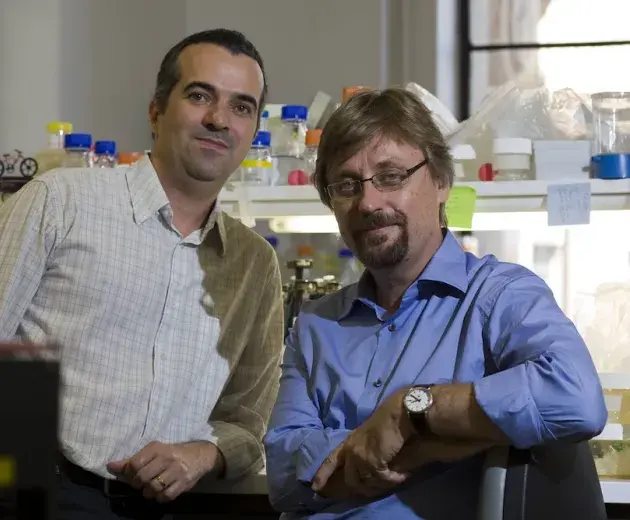
When I came to Australia to work with Scott O’Neill, it was my first experience with Wolbachia, having worked in malaria research before that. Everything started there, and we never imagined it would go this far. If I stop and think, some people say ‘you were very slow, why are you not in Brazil or everywhere already?’ And that’s because we were trying to get all the robust scientific evidence together in both the lab and from our field trials. We prioritised science as an important step in every single detail of our work, which has helped gain trust with the likes of the Ministry of Health, who have seen our outstanding results.
Before Wolbachia was seen as more academic and linked to Fiocruz in experiments in the lab, but for two years now, Wolbachia has been integral to public health initiatives, to protect people and also as a tool to control disease transmission in the country. So the Ministry of Health saw those early results and now really want to expand the method as part of the national coordination for dengue control.
Be Part of the Solution: Join Our Community
Discover how we’re transforming lives and combating mosquito-borne illnesses globally. Sign up for exclusive insights and updates delivered straight to your inbox.
Has the community response changed over time with wider distribution in more cities?
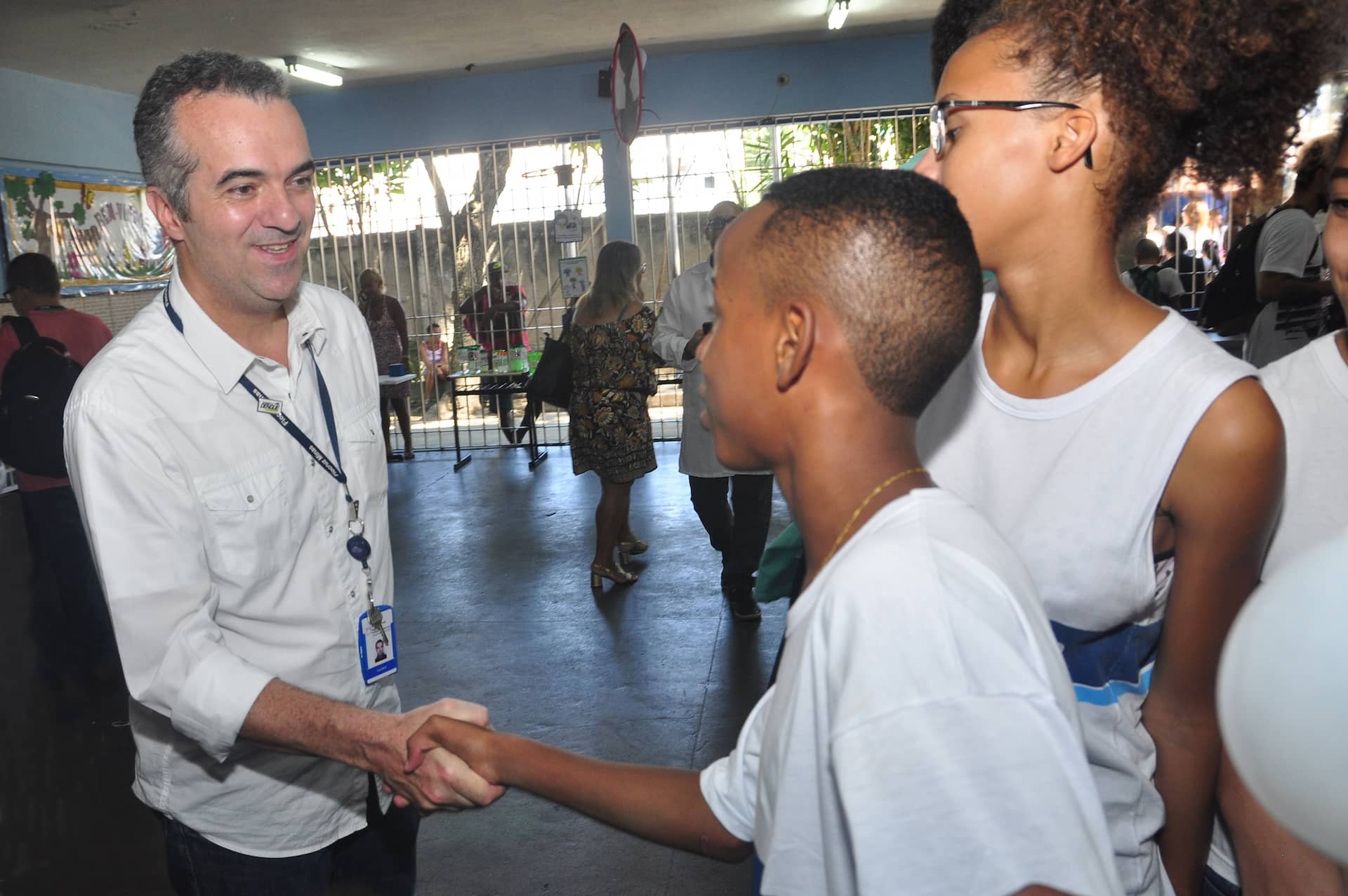
We’ve never had a negative impact in terms of the community. We always follow the PAM model in interacting with different sectors of the community, whether that’s the educational side, health workers, community and social leaders — and also because of Fiocruz’s brand, which is a very well known and respected institution in the country, more than 125 years old now — it really gave us the support needed to be trusted as a robust programme and project in Brazil. And that made a big difference.
And not only that, but because we followed all the steps. It’s not that we arrive in a city and start releasing mosquitoes, we always listen and talk to people first to check if communities have high acceptance of the method before releasing mosquitoes.
Can you talk us through the latest evidence and impact data to come out of Brazil?
Niterói was an example of where we did three separate expansions in the city, the first to be fully covered with Wolbachia, roughly more than 500,000 people. And then later on, we’ve also got Campo Grande in the west and Petrolina in the northeast where the decision was made to cover the whole city.
We had a paper in 2021 from Niterói, where results were around a 70 per cent reduction in areas where we released Wolbachia, and then in recent months we’ve just released another paper showing stable Wolbachia establishment in the city and an 89 per cent reduction in dengue cases, which is really important evidence.
We've released new evidence from Campo Grande this week which shows the positive impact on the city. I'm sure in the coming years, we'll see good results from the other cities we are currently deploying in. Joinville recently announced a huge reduction in the number of cases compared to pre-deployment.
Another thing that is happening in Brazil is in Belo Horizonte where we completed a randomised controlled trial. It’s a bit different to what we have done in Indonesia. The city had 58 clusters and the clusters were designed around public schools, so the idea was to follow children of around six to eleven years-old over four years, because they are more likely to have not had contact with dengue before. The lab tests will show that where Wolbachia was established - in half of these clusters in the city - we expect to have less disease transmission in these children. The analysis should be finished by early next year.
What have been the biggest innovations in technology / processes over recent years?
I remember when I started in the early days of production, everything was really hands-on and by hand. This has shifted a little with more processes introduced now. It was a big jump a few years ago when we got new equipment that helped us scale operations, and also our field techniques have adapted and simplified.
Could Brazil be used as a global case study in how to fight mosquito-borne diseases?
I think Brazil, with the support of the Ministry of Health, and of course the partnership with WMP, really supports the idea of bringing the programme into the national health initiative. The programme is trusted, scientifically sound, and the government is seeing very good results in many cities, where dengue cases are significantly reduced. We are already a reference for many countries across the globe. Many contact us to visit, see how it works and whether the programme could function in their country, often asking about the regulatory pathway and the impact. I think by having the biggest facility in the world, it’s going to be seen even more as a symbol of investment and one people will trust to grow and benefit everyone.
How does the dengue burden in Brazil impact the health system and have wider socio-economic challenges?
Dengue has been around in Brazil for four decades already and is typically seasonal. We know there are four different serotypes and depending on the circulation of each serotype, it can get really bad as people will be naive to the virus. With global warming, we are seeing the distribution of mosquitoes in the country shifting, going to every single city, especially in the southern part of the country, where we are based in Curitiba.
Curitiba, for example, has never had this problem in the past, because it is a high and cooler city. Last year was the biggest dengue epidemic here. With mosquitoes establishing in different cities and the disease circulating, that’s all that’s needed for all the epidemiological aspects of the disease and the situation in Brazil to continue worsening. I saw last year (the worst year on record for dengue in Brazil) in the city of Belo Horizonte, I would go to the supermarket and there were barely any employees because everybody was off sick at home.
I’ve had family members impacted, my sister, brother-in-law, and it was very bad. My daughter too had dengue and was really ill in bed for two weeks. Dengue is a disease that affects everyone, rich or poor, it has a high impact on people’s lives and they have to stop working. It is becoming more of a problem for the country, and it’s very expensive for the municipality to put people in hospitals, so the idea that we can reduce the burden of disease with Wolbachia is a good solution, alongside other tools.
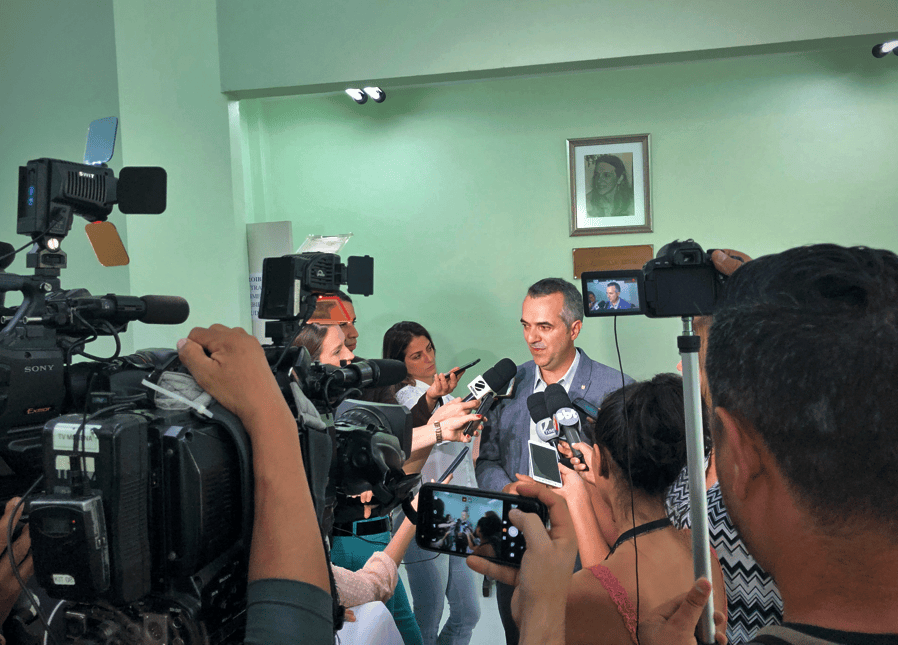
Could you talk through Wolbito do Brasil’s plans to expand across Brazil?
Right now we have two clusters, with releases in six cities. One is in the south here and is a continuation of Joinville in Santa Catarina and two other cities in the same state (Balneário Camboriú and Blumenau), and another one is Brasília, the capital of Brazil, and two other cities - Valparaíso de Goiás and Luziânia in Goiás. We are currently looking at another five to seven clusters and next year, the idea is we will have production capacity to protect another 14 million people. The demand continues to grow. Wolbachia is part of the public health initiative now and the Ministry of Health is really pushing for us to produce more and more to protect more people in the coming years.
I’m really proud of myself and the team because we see every single face here at Wolbito ready to contribute and really want to do their part to go and protect as many people as possible - that’s the mission - people see the importance of the work on a daily basis
